Last-Minute Ferries to Ireland: Common Booking Mistakes and How to Avoid Them
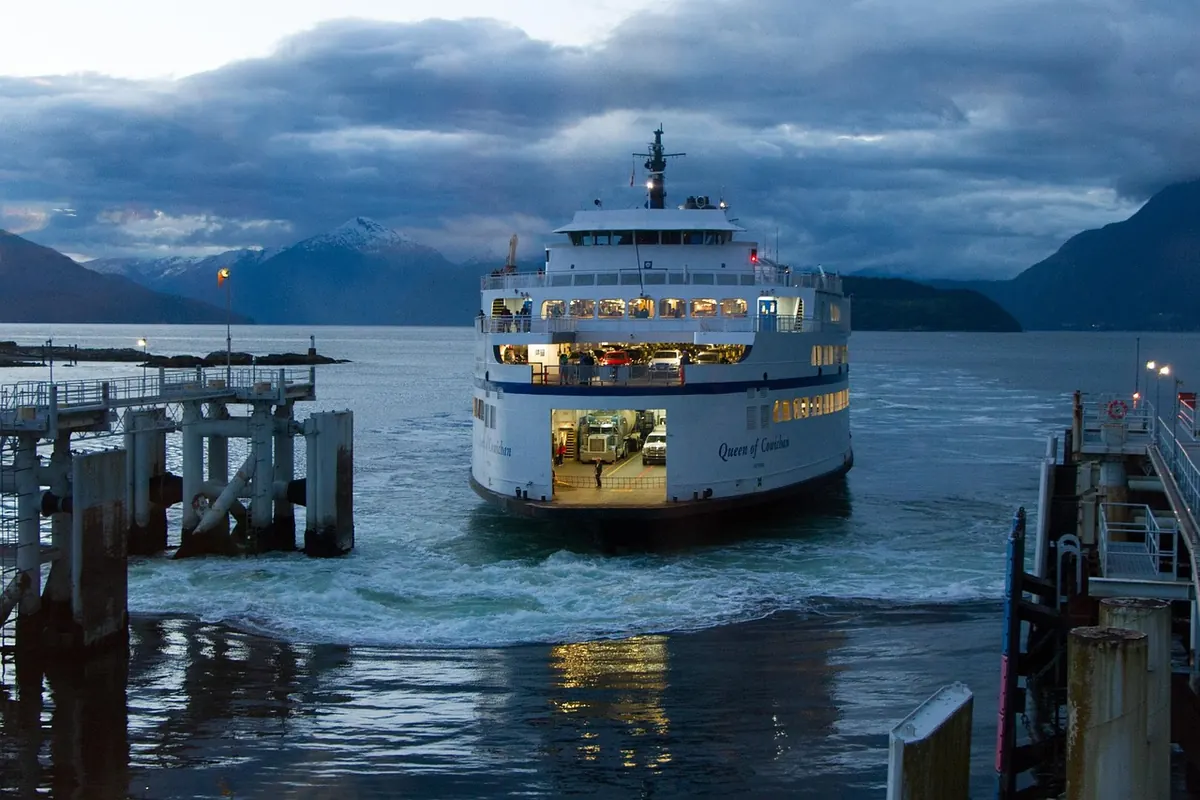
Book a ferry to Ireland a week before you sail and you can still get a sensible crossing. Book it the day before a summer Saturday and you may find yourself choosing between an overnight sailing from a port you had not considered and a very long drive to the next one. Last-minute ferry travel is not impossible. It is simply unforgiving of small oversights.
Passenger space on Irish Sea routes is finite, and it is shared with freight. Lorries and trailers take up deck space all year round, which is why a sailing can look half-empty on the car deck and still be sold out for cars.
Demand clusters tightly. School summer holidays, Easter, bank holiday weekends, half-terms, Christmas and New Year are the obvious pinch points. Less obvious are event weekends in Dublin, Belfast and Cork, when hotels fill and the Friday and Sunday sailings go with them.
Weekend departures and daytime crossings disappear first. Midweek sailings, late-evening departures and overnight crossings hold space longest. If your dates are fixed, look at the return leg before you commit to the outbound: plenty of people book a Tuesday crossing to Ireland, then discover that every Sunday sailing home is full.
One operator selling out does not mean the route is closed. Two or three companies often serve the same corridor, and a full sailing with one can sit alongside availability with another. Search the corridor, not the brand.
The cheapest fares are usually the least flexible, and that matters most when you are booking late and your plans are still moving. Read the amendment terms before you pay, not after.
A saver ticket may be non-refundable and expensive or impossible to change. Miss the sailing and most operators treat it as a no-show: you buy a new ticket at the walk-up rate, subject to space. That is the single most expensive mistake in last-minute ferry travel, and it is almost always caused by cutting the check-in window too fine.
Pricing is rarely symmetrical. Sometimes a return is far cheaper than two singles; sometimes two singles with different operators beat a return on one. Compare both before you book, and check whether the return fare is only valid on the same route and operator.
Cabins, reserved seats, lounge access, priority boarding, meals and pet spaces are all limited and all sell out. On overnight sailings, cabins go first. If you need one, book it with the ticket rather than hoping to upgrade at the port.
Booking fees and card surcharges also vary. If you are using a comparison site, check the final price against the operator's own site. For anything involving refunds, amendments or travel insurance, read the terms carefully, and seek professional advice if a significant amount of money is at stake.
Ferry pricing and loading are built around vehicle dimensions, and an undeclared roof box or trailer can mean a higher fare, a delay at the port, or being turned away.
Not every route or sailing carries foot passengers, and some ports have limited public transport and run shuttle buses to the terminal instead. Check before you plan a train-and-boat trip, and check the last bus or train at the far end.
On documentation, the Common Travel Area means British and Irish citizens do not need a passport to travel between the two countries, but ferry operators set their own ID requirements and commonly ask for a passport or photo ID. Non-UK and non-Irish nationals should check Irish entry requirements separately. Carriers apply their own rules and can refuse boarding, so verify your documents with the operator and with official government guidance well before departure.
Pets have their own requirements, and the rules differ depending on which direction you are travelling. Check the operator's pet policy and the relevant government guidance at the same time you book.
Re-read the booking the day before. Names should match the ID you are carrying, the registration plate should be correct, and the vehicle dimensions should be honest. Small corrections are usually easy in advance and awkward at the port.
Confirm your check-in time with the operator rather than assuming. Many ask cars to arrive well before departure, and foot passengers are often called earlier still on busy sailings. Build in a buffer for roadworks, ferry-terminal queues and the wrong turning.
Keep an eye on the forecast in winter, when storms cancel sailings at short notice. If your crossing is disrupted, speak to the operator about rebooking and ask what you are entitled to; keep receipts for food and accommodation, and check official passenger rights guidance rather than relying on hearsay.
Charge the car, fill the tank, download or print your ticket and screenshot the booking reference. Take warm layers, a drink and something to eat, especially on overnight crossings where the café may close.
Being flexible about the port, the hour and the operator will save you far more than being fast on the booking page. The best last-minute ferry booking is the one you have read properly before you pay.
Photo: KAMcMillan / Pixabay
Previous Post
A Beginner's Guide to Ferry Travel with a Dog: UK Rules, Cabins and Kennels
Next Post
How to Read a Ferry Timetable: Sailing Codes, Check-In Times and Seasonal Changes