Portsmouth to the Isle of Wight as a Foot Passenger: A Local Step-by-Step Guide

Portsmouth and the Isle of Wight sit almost within shouting distance, and the crossing is short enough that a car-free day out is entirely realistic. The catch is that Portsmouth has more than one terminal, the Solent has more than one kind of boat, and choosing badly can land you with an extra bus ride you never planned for. This guide walks through the options as a foot passenger, from platform to pier.
Three services matter most to walk-on passengers, and they leave from three different places.
Red Funnel's Southampton to East Cowes route is worth knowing if you are coming from further west, but for a Portsmouth-based trip the three above are the ones to weigh up. If you want Ryde, take the FastCat or the hovercraft. If you want the quieter west side of the island, take the Fishbourne ferry.
Portsmouth Harbour railway station is the easiest arrival point in the city. Step off the train and the FastCat terminal at The Hard is a two-minute walk away, with Gunwharf Quays and its shops just beyond. Trains run here from London Waterloo, Southampton and along the coast, so the connection is genuinely seamless.
Portsmouth & Southsea station is the other main stop, and it is a different proposition. It is roughly a fifteen to twenty-minute walk to The Hard, or a short hop on a local bus along Commercial Road. For the hovercraft, you want Southsea rather than the harbour, which means a bus down to Clarence Esplanade.
Local buses serve The Hard and the city centre regularly, and taxis wait outside both stations. If you are driving part of the way, leave the car at a station car park or use a city park and ride and finish the journey by train or bus.
None of these crossings works like an airport. There is no check-in desk, no baggage belt and no weighing scales. What matters is that you can move your own things between the pavement, the gangway and the boat.
Rules do change, and each operator publishes its own conditions. A quick look at the relevant website the day before you travel saves an argument at the gate. If you are carrying anything unusual — a large musical instrument, a surfboard, a mobility scooter — ring ahead and ask.
The FastCat berths at Ryde Pier Head, at the end of a pier that stretches roughly half a mile out into the Solent. You can walk ashore along the pier's walkway, which takes about ten minutes at a steady pace, or take the Island Line train that runs along the pier to Ryde Esplanade and onwards to Ryde St John's Road, Brading, Sandown and Shanklin.
Island Line services are less frequent outside the summer season, so check times before you rely on a connection. From Ryde Esplanade you are a few minutes from the town centre, the bus station and the seafront, with Southern Vectis buses heading to Newport, Sandown, Ventnor and Bembridge. The hovercraft terminal is at Ryde Esplanade too, which makes it the more convenient arrival if your onward plans start in the town.
The Fishbourne ferry offers a different arrival. Buses meet many sailings and run into Ryde and Newport, but the terminal is on a main road rather than in a town, so plan that leg properly.
FastCats run frequently through much of the day, with a reduced pattern in the evening. Hovercraft crossings are similarly regular at peak times. The car ferry has fewer sailings, so it rewards a little planning.
Wind is the thing to watch. Hovercraft services are the most weather-sensitive, and the catamaran can be affected too. If a crossing is cancelled, operators normally move passengers to the next available sailing, but it is worth building slack into the end of your day rather than booking the last crossing before a train you cannot miss. In winter, fog and swell can also slow things down. Check the operator's service updates on the morning of travel.
For a car-free trip, the FastCat from Portsmouth Harbour is the default choice: a train station at one end, a pier railway and town buses at the other, and twenty minutes of Solent between them. Choose the hovercraft if you fancy the novelty and are heading for Ryde seafront. Choose Fishbourne if your plans sit on the island's quieter side. Whichever you pick, buy ahead, travel light, and leave a margin at the end of the day — that is all it takes to make a short crossing feel effortless.
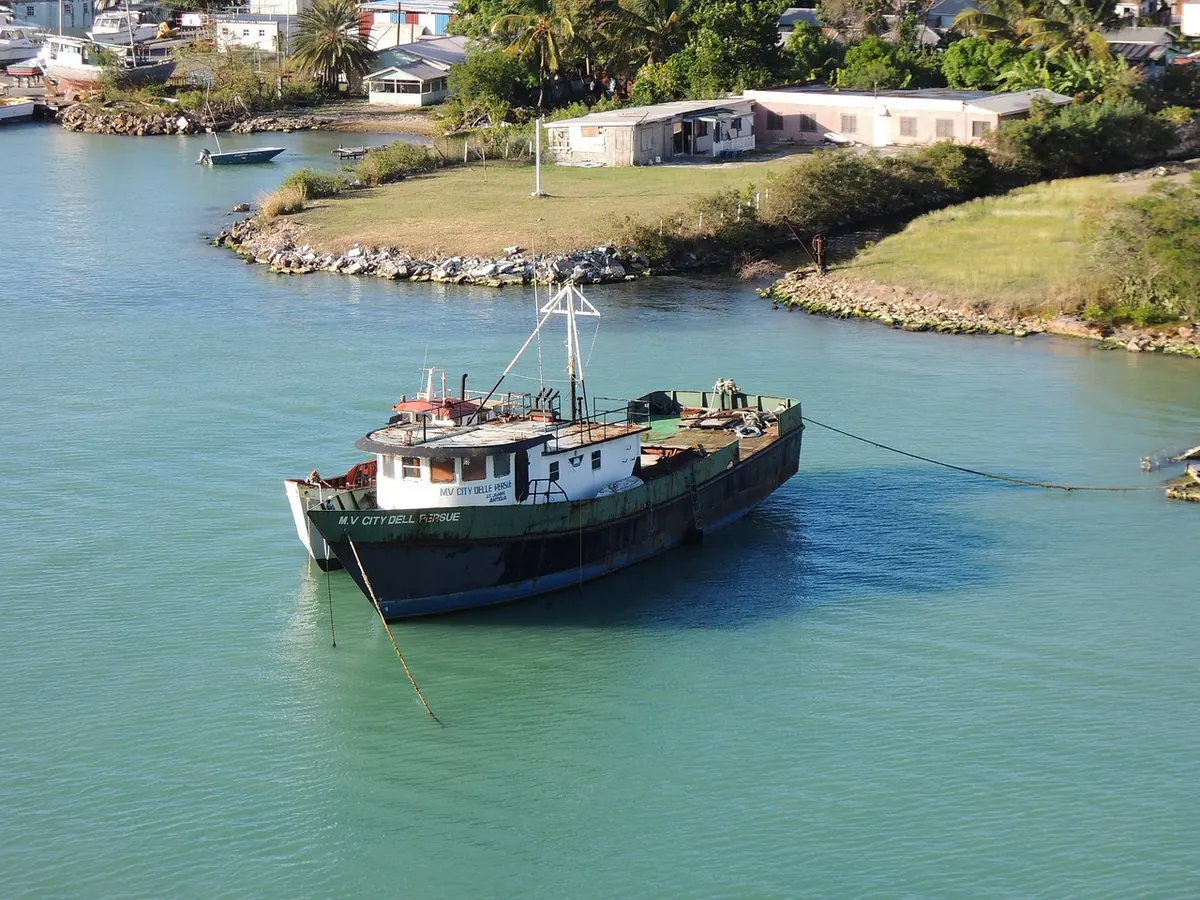
Photo: MemoryCatcher / Pixabay
Previous Post
Is a Ferry Cabin Worth the Extra Cost? An Honest Review for Long Crossings
Next Post
Ferry Travel to the Channel Islands: Routes, Timetables and Pre-Trip Essentials