Ferry or Eurotunnel? A Family Road Trip Comparison for Crossing the Channel
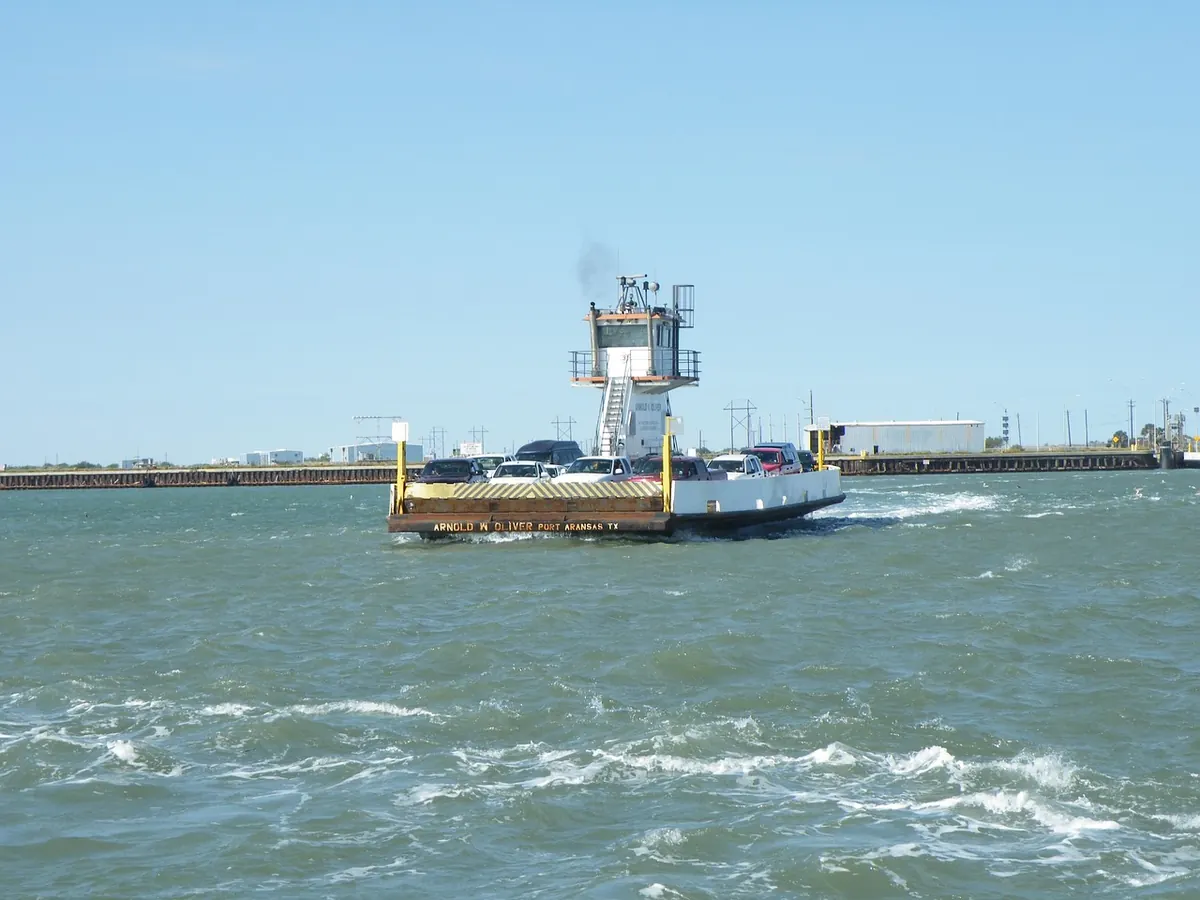
Somewhere between loading the boot and explaining for the fourth time that the dog really cannot come, you have one proper decision to make: ferry or Eurotunnel. Both will get your car and your family to France. The difference lies in how early you leave the house, what the children do for the next hour, and what happens when the M20 slows to a crawl on a Friday in July. Here is how the two crossings compare when you are travelling with people who need the toilet at inconvenient moments.
A ferry is a ship. You drive aboard, park, and leave the car for the duration, which means you can walk about, buy a coffee, sit on deck and let restless legs stretch. The classic Dover to Calais crossing takes roughly an hour and a half. Longer routes — Portsmouth to Caen, Plymouth to Roscoff, Hull to Rotterdam — run overnight and come with cabins, so the crossing doubles as a night's accommodation.
The Eurotunnel shuttle is a train carrying vehicles through the tunnel between Folkestone and Coquelles, just outside Calais. The crossing itself takes about 35 minutes, you stay with your car, and there is no swell to worry about. Between the two terminals you barely surface; it feels less like a voyage and more like a very long underpass with a shop at either end.
Fares move constantly with demand, so any figure quoted here would be stale by teatime. What you can do is make sure you are comparing the same thing on both sides.
Book as early as you can for peak summer weekends and school holidays, and check both operators directly rather than relying on an aggregator. If you are travelling with pets, check the rules for your specific route well in advance, as they vary and the paperwork matters.
Crossing time is not journey time. A ferry means arriving at the port, checking in, waiting in a lane, boarding, sailing, then waiting to disembark — allow around three hours from port to motorway on the Dover strait. The tunnel is quicker overall, typically somewhere between 90 minutes and two hours from check-in to joining the road, depending on how many departures are queued.
Check-in deadlines are the bit that catches people out. Ferries generally ask you to be at the port 45 to 60 minutes before departure; the shuttle's window is similar. Confirm the exact times for your booking and treat them as hard limits, because turning up late means negotiating rather than travelling.
This is where the two diverge most. Ferry tickets come in several flavours: the cheapest are usually fixed to a specific sailing and cannot be changed without paying again, while flexible fares let you move to a different departure. The tunnel sells both standard and fully flexible tickets, and if you arrive early on a flexible fare you can often roll onto an earlier train.
Weather is the other variable. Strong winds and heavy seas disrupt sailings more than they disrupt the shuttle, though the tunnel is not immune to technical problems or industrial action on either side of the water. Whichever you pick, build in slack. If you have a long drive to a holiday cottage, or another ferry to catch in Ireland, do not book the tightest possible connection.
On a ferry, the crossing is part of the holiday. Most ships on the shorter routes have a café, a shop, baby-changing facilities and some form of play corner; the bigger overnight vessels add restaurants, bars and cinemas. It is easy to feed everyone, change a nappy and let a toddler run about before the drive resumes.
The shuttle offers far less: toilets and a small shop in the terminal, then your own car for half an hour. There are no play areas and no hot food once you have boarded. That is fine for an eight-year-old with headphones and a charged tablet. It is less fine for a two-year-old at the end of a six-hour drive.
Either way, pack a small bag you can reach without unpacking the boot: snacks, water, wipes, spare clothes, a couple of familiar toys, and any medication you might need. Keep it with you rather than under three suitcases.
Photo: cdaniels / Pixabay
Previous Post
How to Book a Ferry to the Isle of Wight: A Step-by-Step Guide for First-Time Travellers
Next Post
A Beginner's Guide to Ferry Travel with a Dog: UK Rules, Cabins and Kennels